Destination
Tripura — a journey worth making
Tripura is one of Northeast India's most culturally rich yet least explored states, offering a unique blend of royal heritage, tribal traditions, natural beauty, and authentic local experiences. Surrounded by Bangladesh on three sides, the state has developed a distinct identity shaped by centuries of indigenous culture, royal history, and cross-cultural influences. Despite its small size, Tripura is home to diverse landscapes ranging from forested hills and lakes to heritage sites and traditional villages.
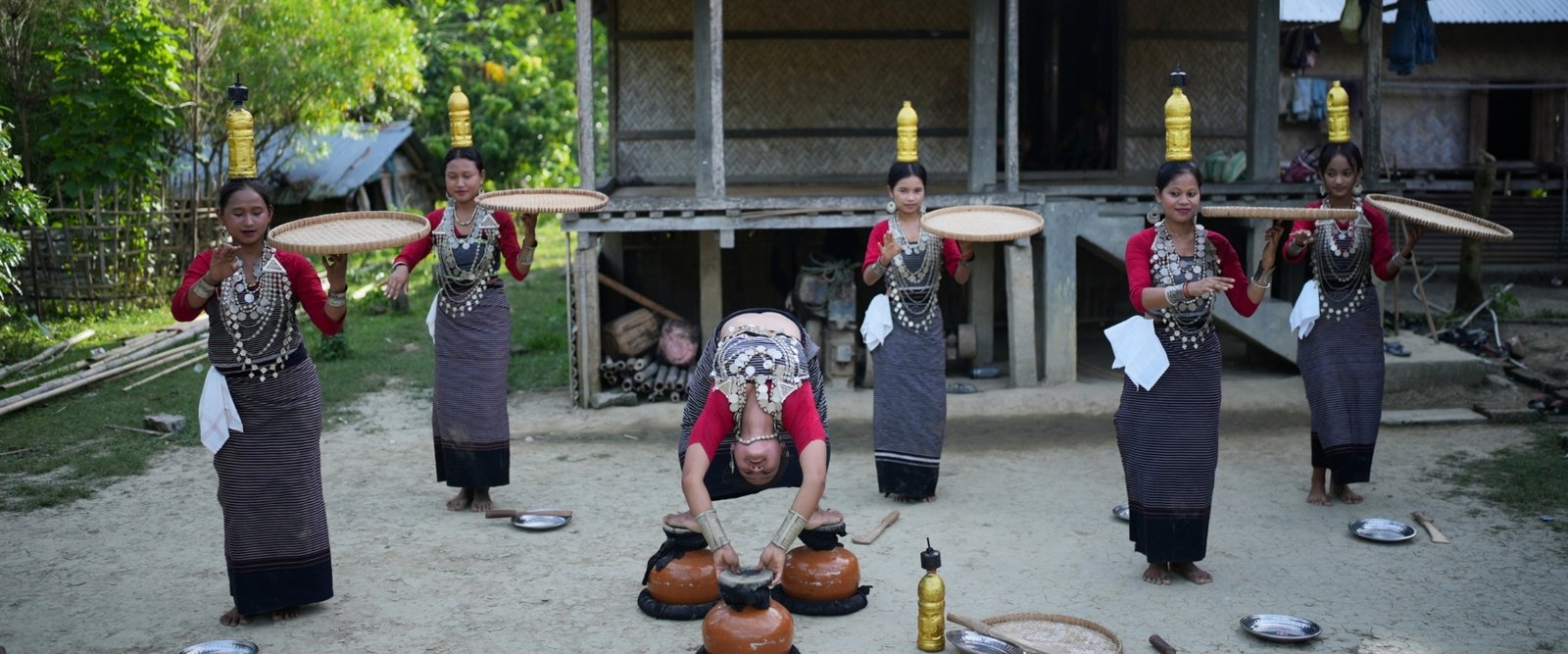
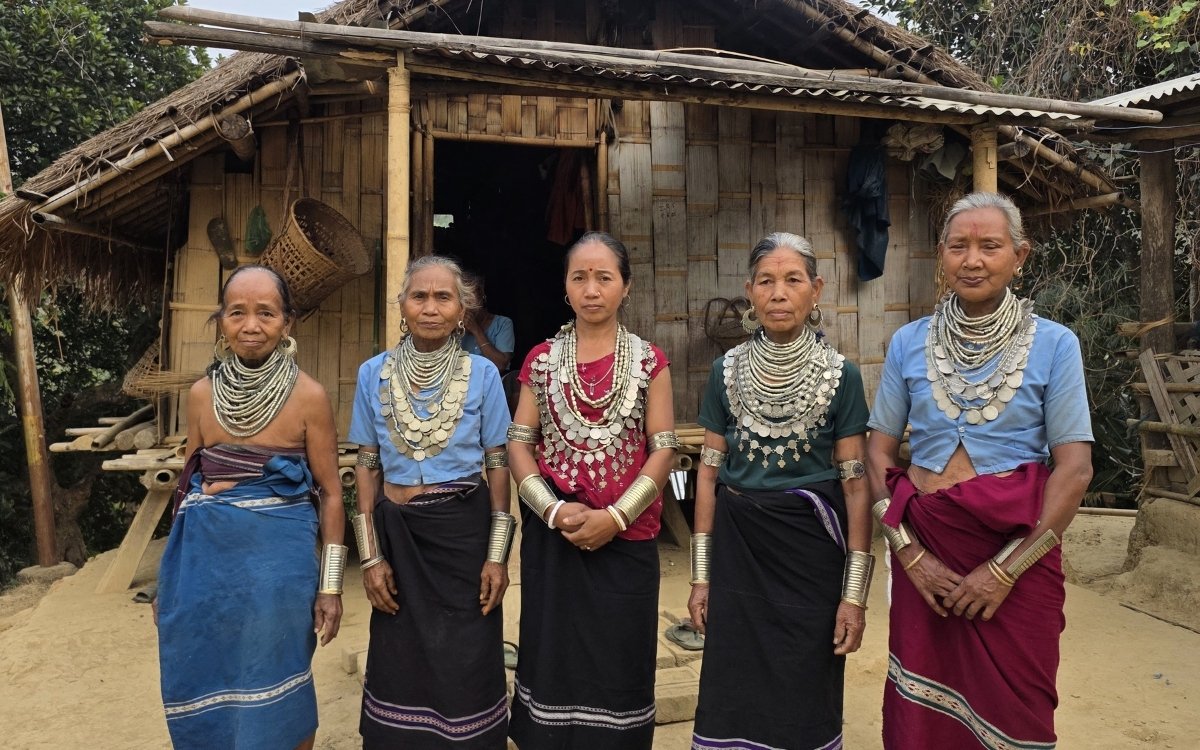
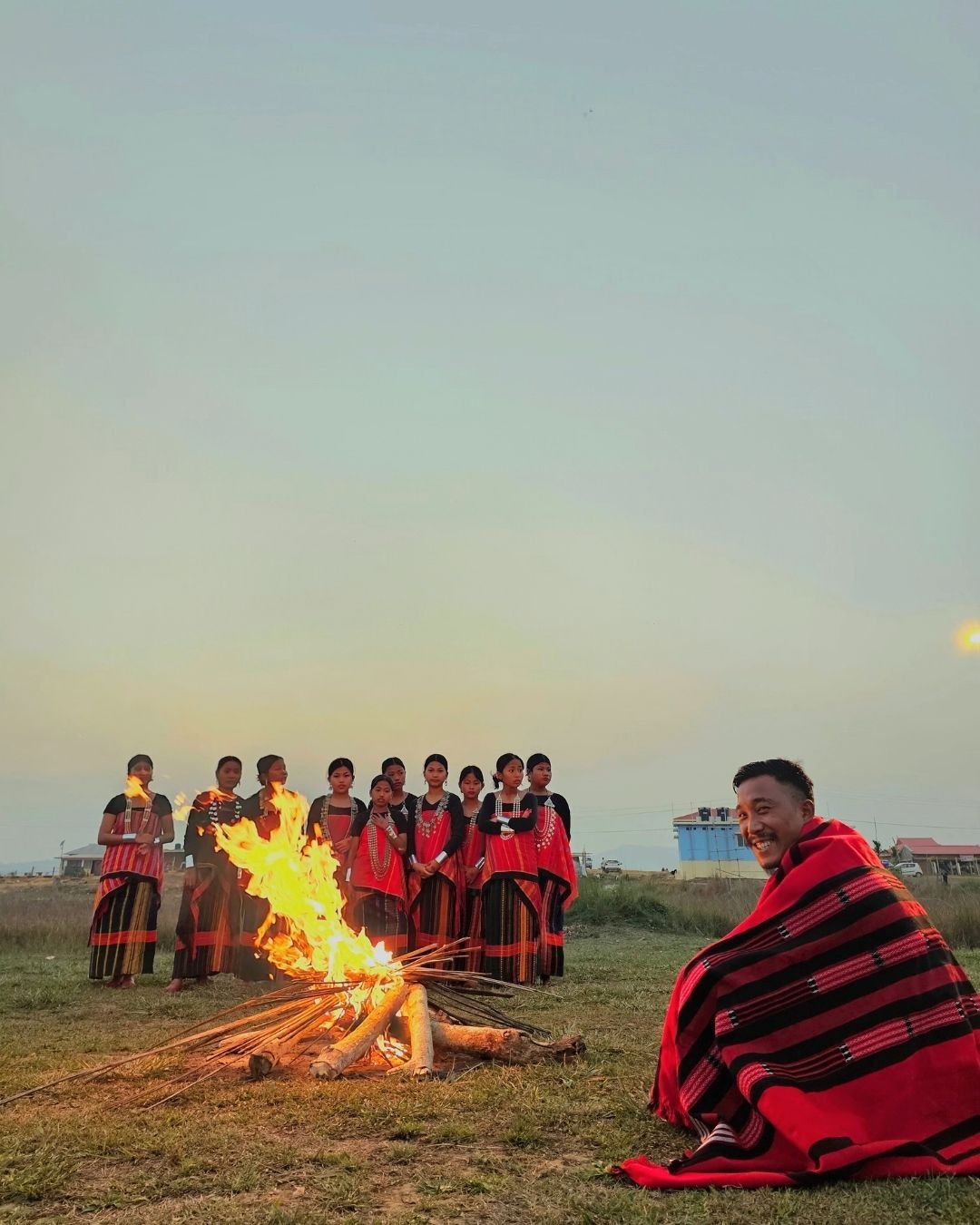
The state is home to several indigenous communities, including the Tripuri, Reang (Bru), Jamatia, Noatia, Halam, Chakma, Mog, Uchoi, and Lushai tribes. These communities continue to preserve their unique customs, languages, festivals, dances, music, and traditional lifestyles. Kokborok, the language of the Tripuri people, is one of the state's principal languages alongside Bengali, Hindi, and English.
Tripura's history is closely linked to the Manikya dynasty, which ruled the region for centuries. The legacy of the royal family can still be seen in magnificent landmarks such as Ujjayanta Palace and Neermahal, India's largest water palace. The state is also known for its ancient archaeological and spiritual sites, including Unakoti, famous for its massive rock-cut carvings and sculptures that date back centuries.
What makes Tripura truly special is the opportunity to experience a side of Northeast India that remains largely untouched by mass tourism. Travellers can visit tribal villages, interact with local communities, learn about traditional weaving and handicrafts, explore local markets, and experience indigenous cuisines prepared using locally sourced ingredients. Festivals, folk traditions, and community life continue to play an important role in everyday culture, offering visitors authentic insights into the region's heritage.
Nature lovers will find plenty to explore, from forest reserves and wildlife sanctuaries to lakes, waterfalls, and scenic hill landscapes. The state also offers opportunities for birdwatching, village walks, cultural exploration, and slow travel experiences that allow visitors to connect more deeply with local life and traditions.
Tripura can be visited throughout the year, with each season offering a different experience. Winter brings pleasant weather and is ideal for sightseeing, cultural exploration, and outdoor activities. The monsoon transforms the landscape into a lush green paradise, with forests, lakes, and hills becoming even more picturesque. Festivals celebrated throughout the year provide opportunities to witness the vibrant traditions of both tribal and Bengali communities.
For travellers seeking authentic culture, history, local interactions, and offbeat experiences away from crowded tourist circuits, Tripura offers an enriching journey into one of Northeast India's most fascinating and underrated destinations. It is a place where royal heritage, indigenous traditions, spirituality, and natural beauty come together to create experiences that are both meaningful and memorable.