Destination
Nagaland — a journey worth making
Nagaland is one of Northeast India's most fascinating destinations, known for its vibrant tribal heritage, rich traditions, breathtaking landscapes, and warm hospitality. Nestled among rolling hills and forests along India's border with Myanmar, the state offers travellers an opportunity to experience a culture that is distinct, diverse, and deeply rooted in community life. Unlike many destinations where culture is confined to museums and performances, in Nagaland it continues to thrive in everyday life, from traditional village councils and local festivals to indigenous cuisine and craftsmanship.
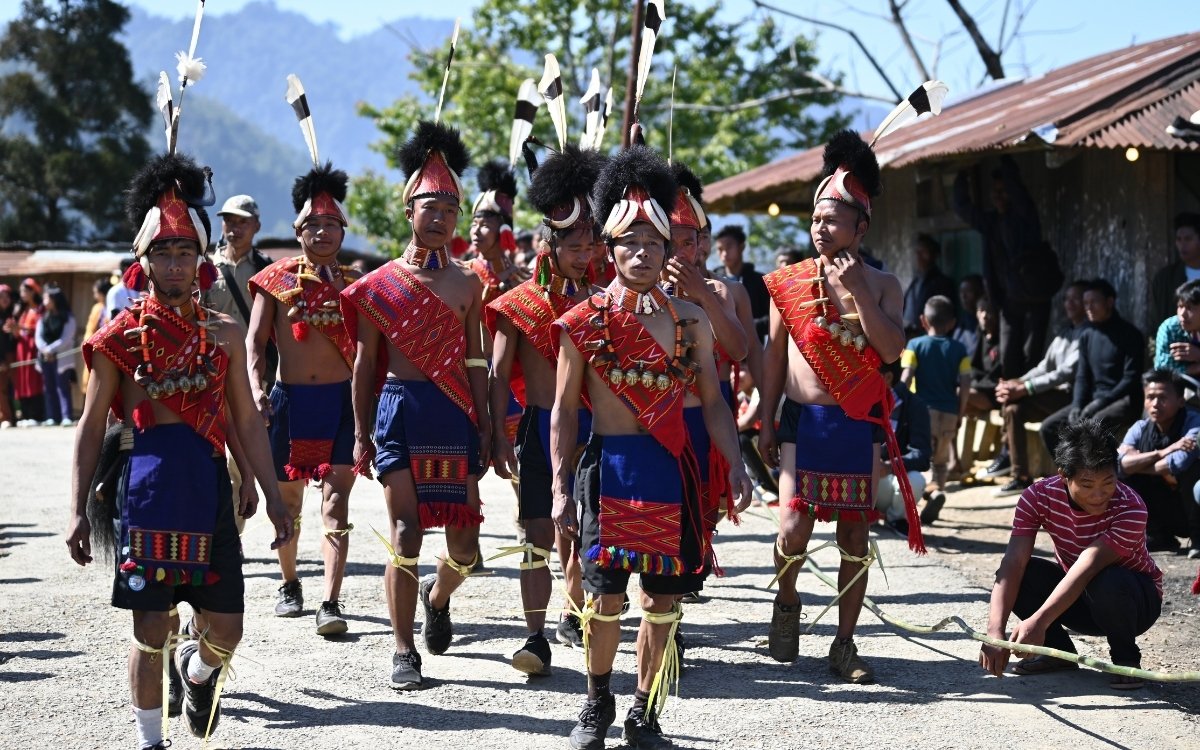
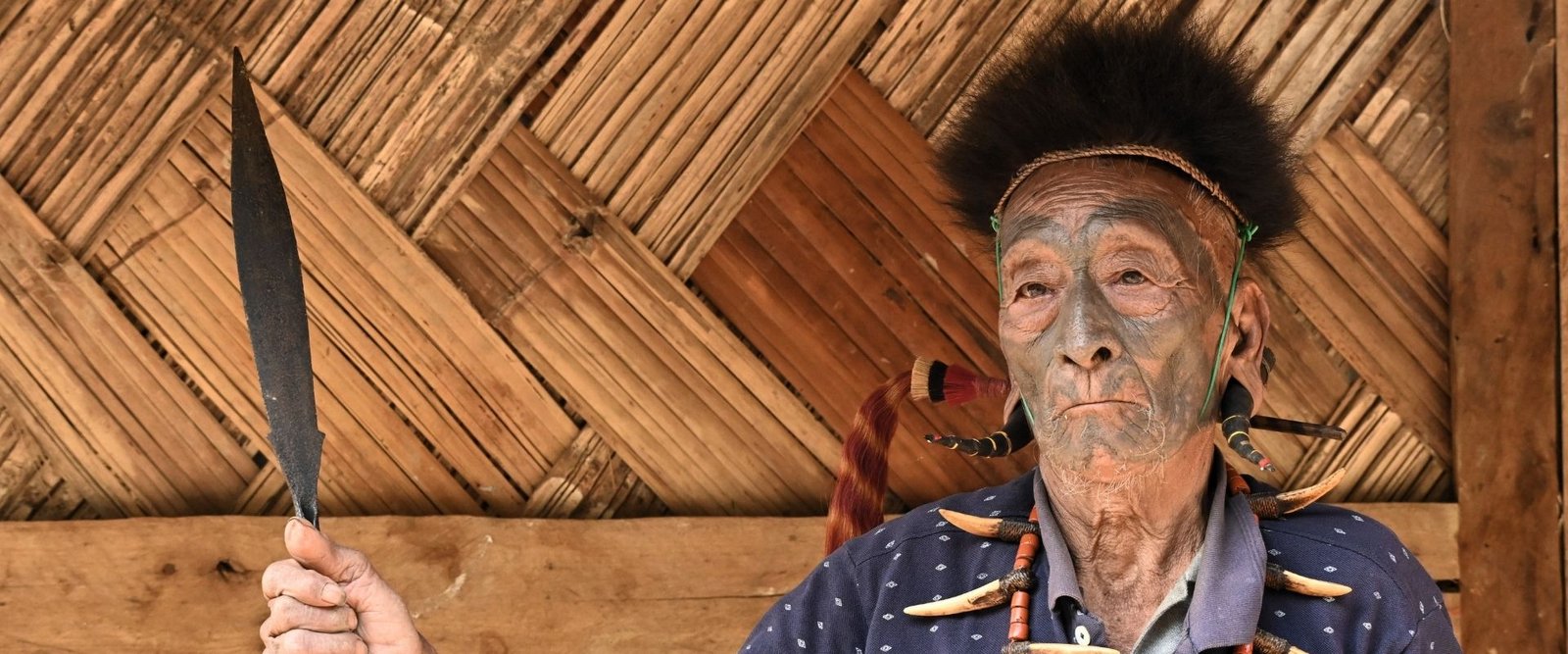
The state is home to 17 major tribes and several sub-tribes, including the Angami, Ao, Konyak, Sumi, Lotha, Chakhesang, Phom, Chang, Sangtam, Yimkhiung, and Khiamniungan communities. Each tribe has its own language, traditional attire, customs, folklore, and festivals, making Nagaland one of the most culturally diverse regions in India. English is widely spoken and serves as the official language, while various tribal languages continue to be used within local communities.
Historically, Nagaland's villages were largely self-sufficient and developed unique traditions shaped by their geography and tribal identity. Today, many villages continue to preserve their cultural heritage while adapting to modern life. Places such as Khonoma, often regarded as India's first green village, offer visitors a chance to learn about traditional Naga lifestyles, conservation practices, and community-led tourism initiatives.
The capital city, Kohima, serves as a gateway to the state's cultural and historical attractions. Beyond Kohima, travellers can explore picturesque villages, scenic mountain landscapes, terraced farms, and remote regions where age-old customs continue to shape daily life. The state's hills provide stunning views and excellent opportunities for trekking, photography, birdwatching, and immersive cultural experiences.
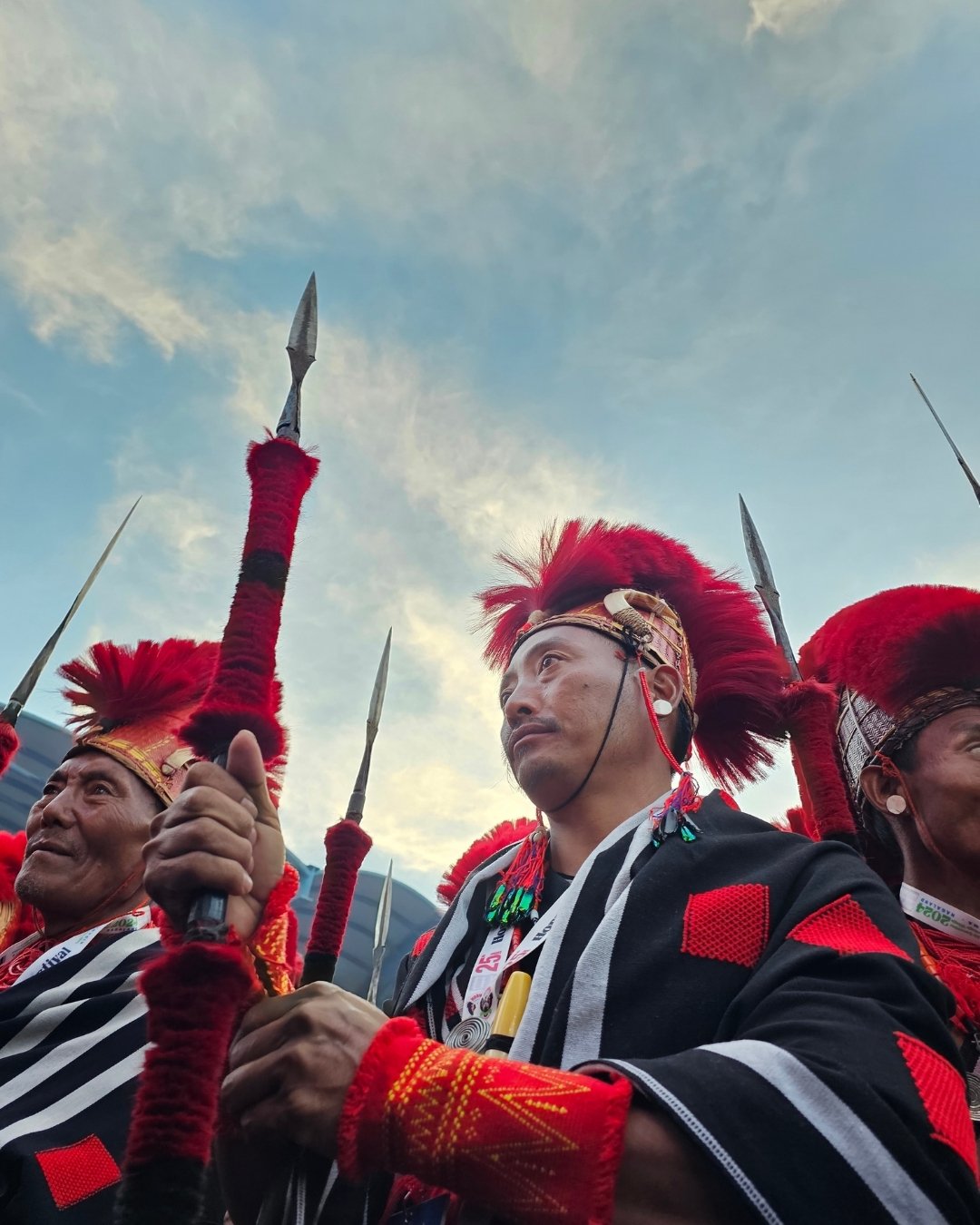
One of Nagaland's most celebrated cultural events is the Hornbill Festival, held every December. Often referred to as the "Festival of Festivals," it brings together tribes from across the state to showcase their traditional music, dances, crafts, cuisine, and customs. However, Nagaland's cultural richness extends far beyond a single festival. Throughout the year, travellers can witness local celebrations, agricultural traditions, village ceremonies, and community gatherings that provide a deeper understanding of Naga life.
Food is another important part of the experience. Naga cuisine is known for its bold flavours, smoked meats, bamboo shoots, fermented ingredients, and indigenous cooking techniques. Exploring local markets and enjoying meals with local families often becomes one of the most memorable aspects of a visit to the state.
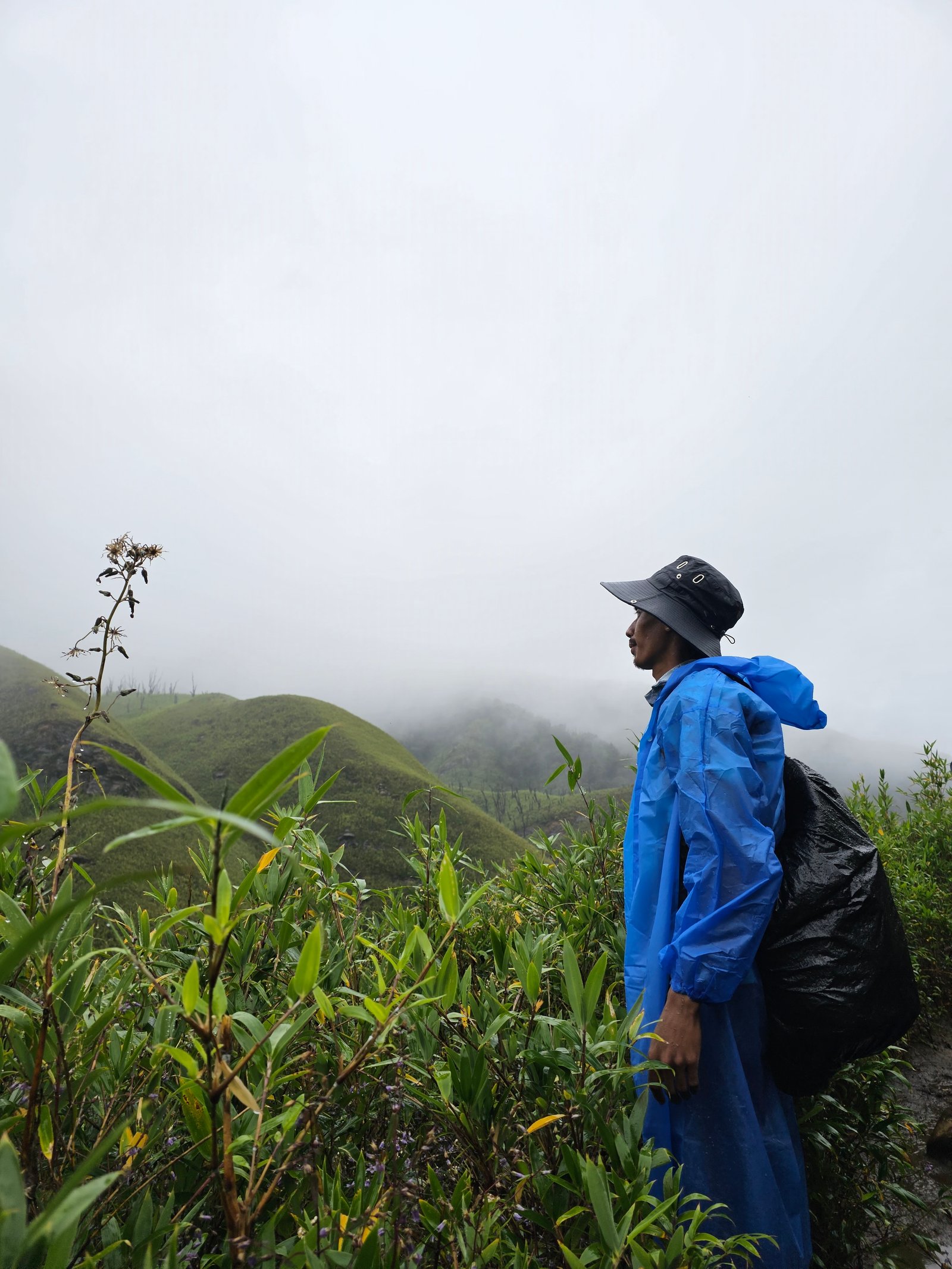
The experience of Nagaland changes with the seasons. Winter offers pleasant weather, clear mountain views, and vibrant cultural festivals, making it one of the most popular times to visit. The monsoon season transforms the hills into a lush green landscape, creating beautiful scenery and a quieter, more intimate travel experience. Spring and autumn bring comfortable temperatures and colourful landscapes, ideal for village explorations and cultural journeys.
For travellers seeking authentic cultural immersion, meaningful interactions with local communities, and experiences beyond conventional tourism, Nagaland offers something truly unique. It is a destination where every tribe has its own story, every village its own identity, and every journey reveals a deeper connection to the traditions, landscapes, and people of Northeast India.