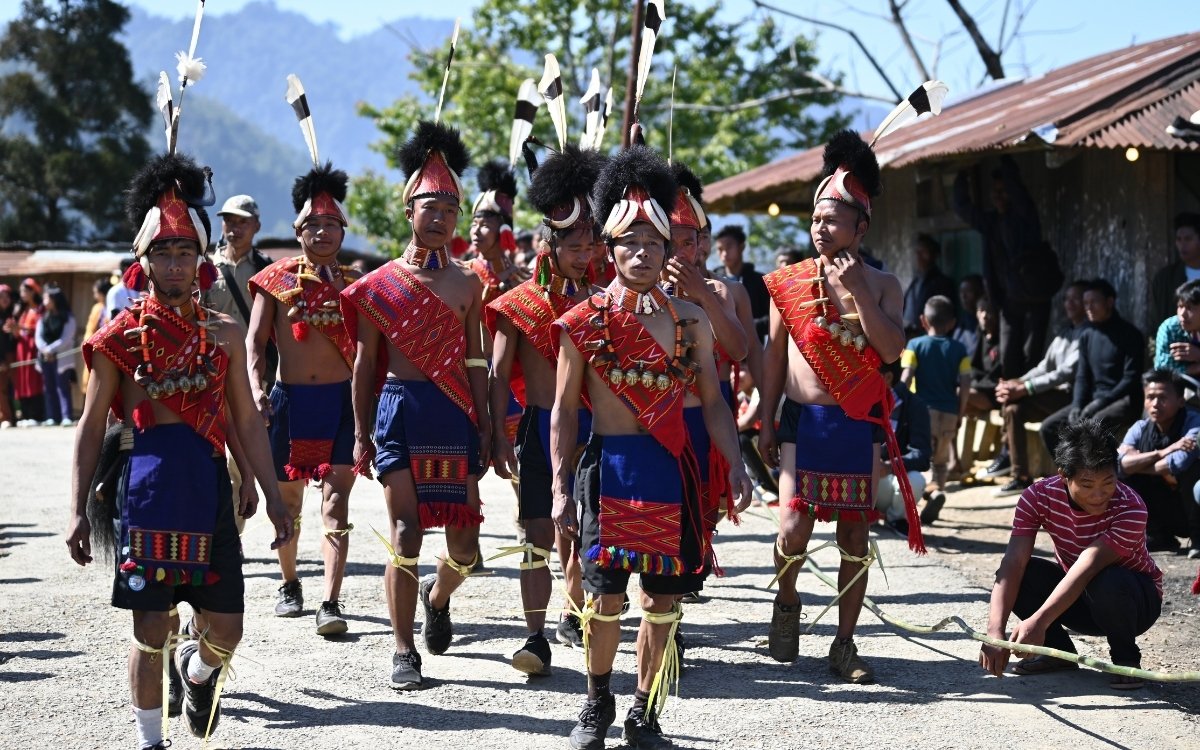

Tucked away in the beautiful Ziro Valley of Arunachal Pradesh lives the Apatani tribe, one of Northeast India's most fascinating indigenous communities. Surrounded by pine-covered hills, green paddy fields, and traditional villages, the Apatani people have created a unique culture that has attracted travelers, researchers, and nature lovers from around the world.
Unlike many tribes that traditionally practiced shifting cultivation, the Apatanis developed a highly efficient wet rice cultivation system that has sustained their communities for generations. Their deep understanding of the land and natural resources has made them an example of sustainable living long before the term became popular.

Who Are the Apatanis?
The Apatanis are a major tribal community of Arunachal Pradesh and are primarily found in the Ziro Valley. Their language, customs, festivals, and farming practices are distinct from those of neighboring tribes.
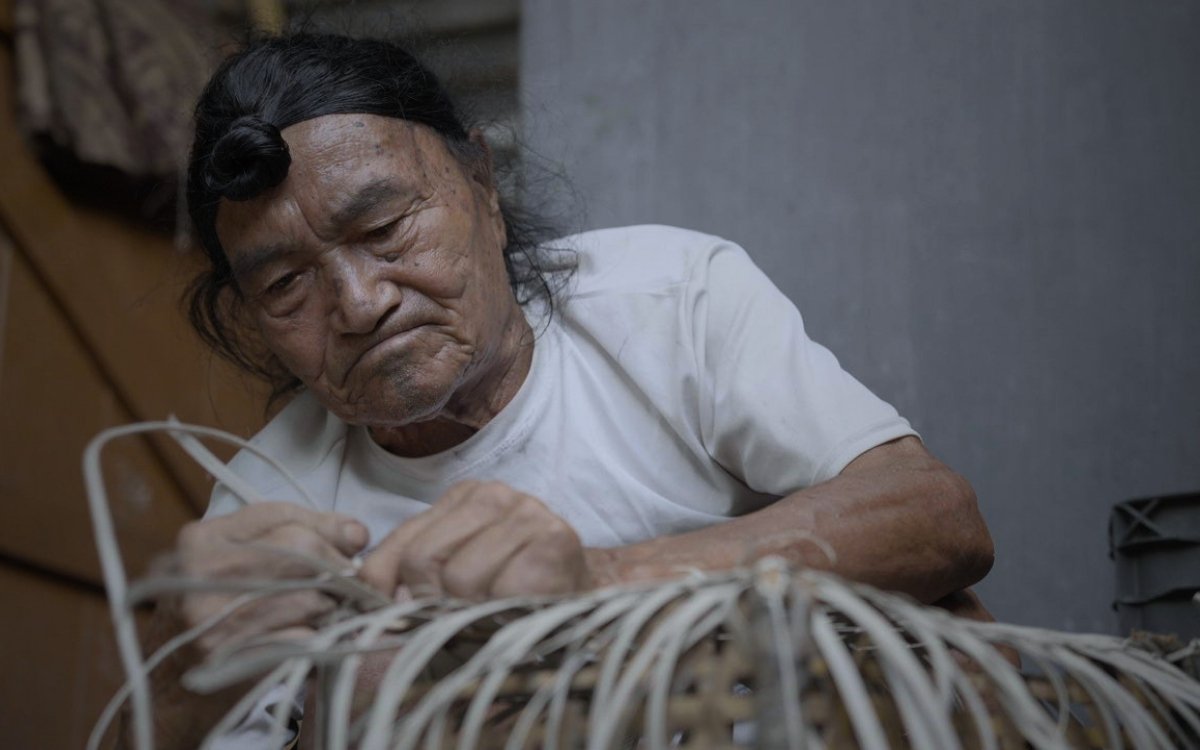
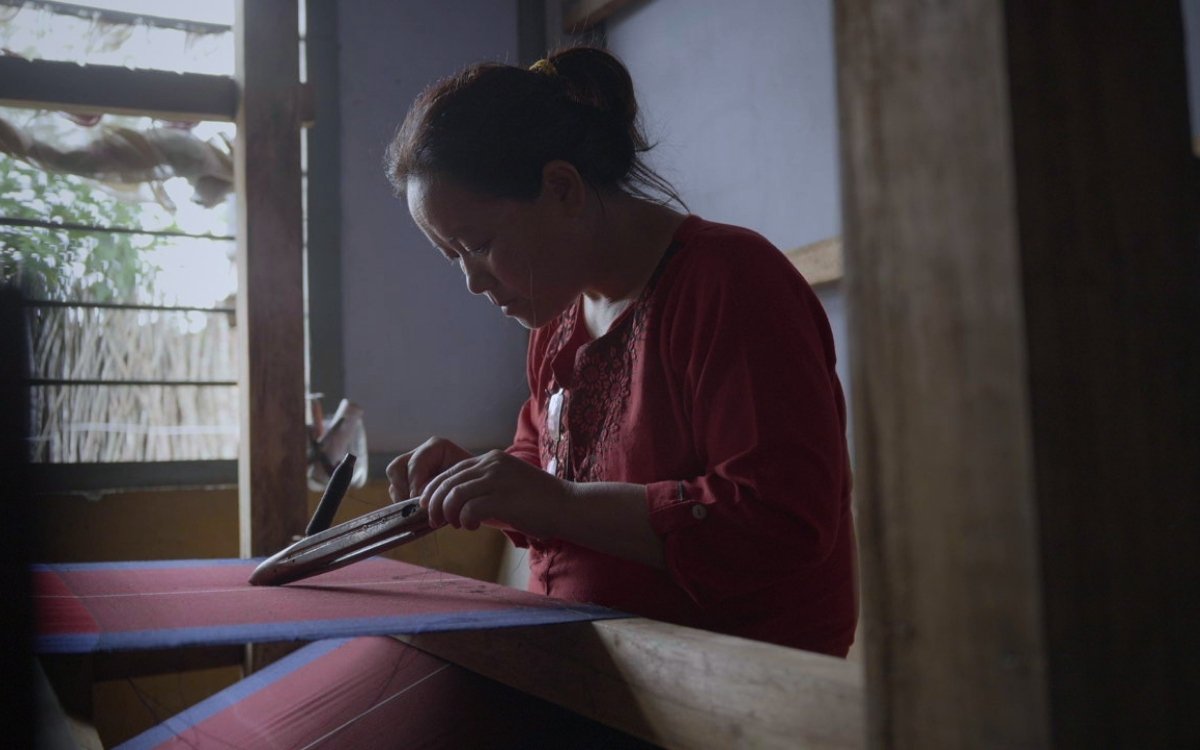
Life in Apatani villages revolves around strong community bonds. Traditional wooden houses line the villages, and many cultural practices continue to be passed down through generations. While education and modernization have brought changes to daily life, the community remains deeply rooted in its traditions.
The Famous Ziro Valley
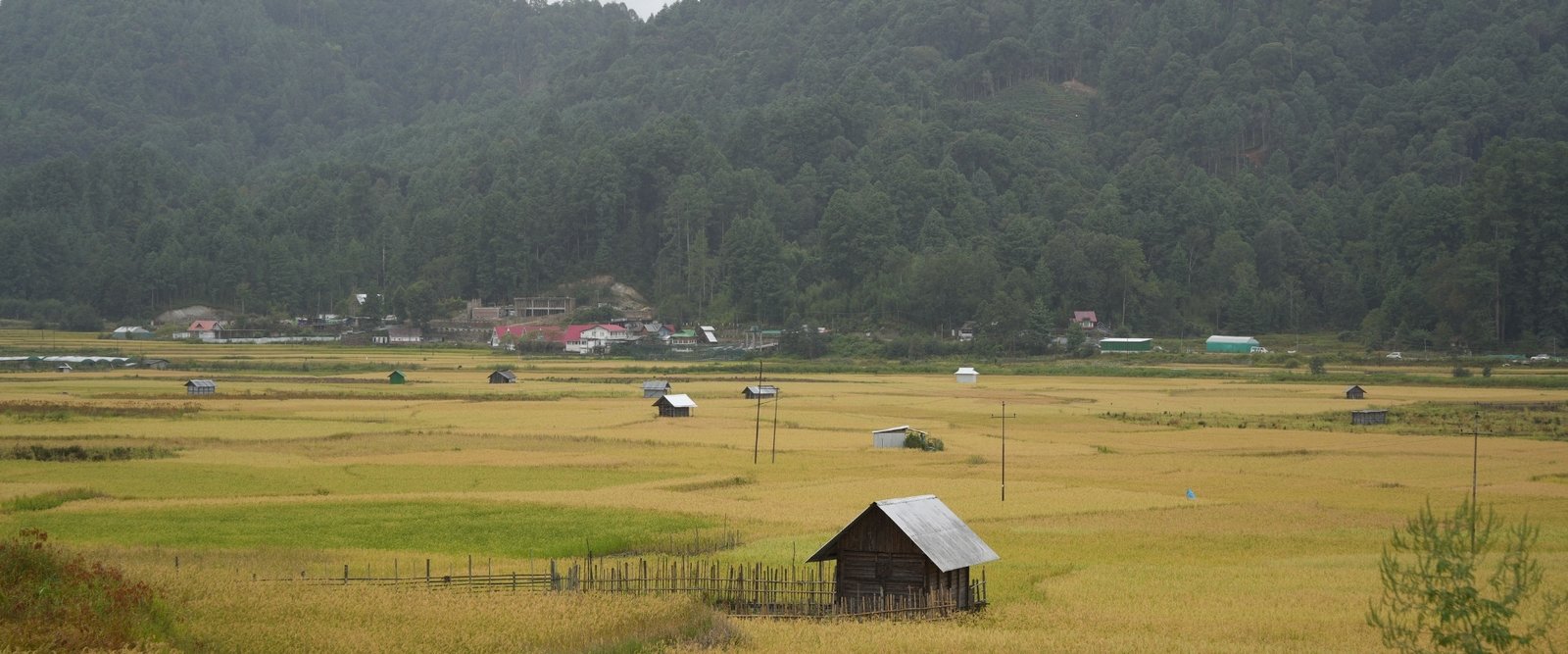
Any discussion about the Apatani tribe begins with Ziro Valley. Spread across a scenic plateau surrounded by mountains, the valley is known for its neatly laid-out paddy fields, bamboo groves, and picturesque villages.
Unlike the terraced farming seen in many mountain regions, the Apatanis cultivate rice in flat valley fields using an advanced irrigation system. What makes their farming even more remarkable is the integration of fish farming within the paddy fields, a practice that has been followed for generations.
Walking through the valley, especially during the monsoon and post-monsoon months, offers a glimpse into a landscape where agriculture and nature exist in perfect harmony.
A Unique Agricultural Tradition
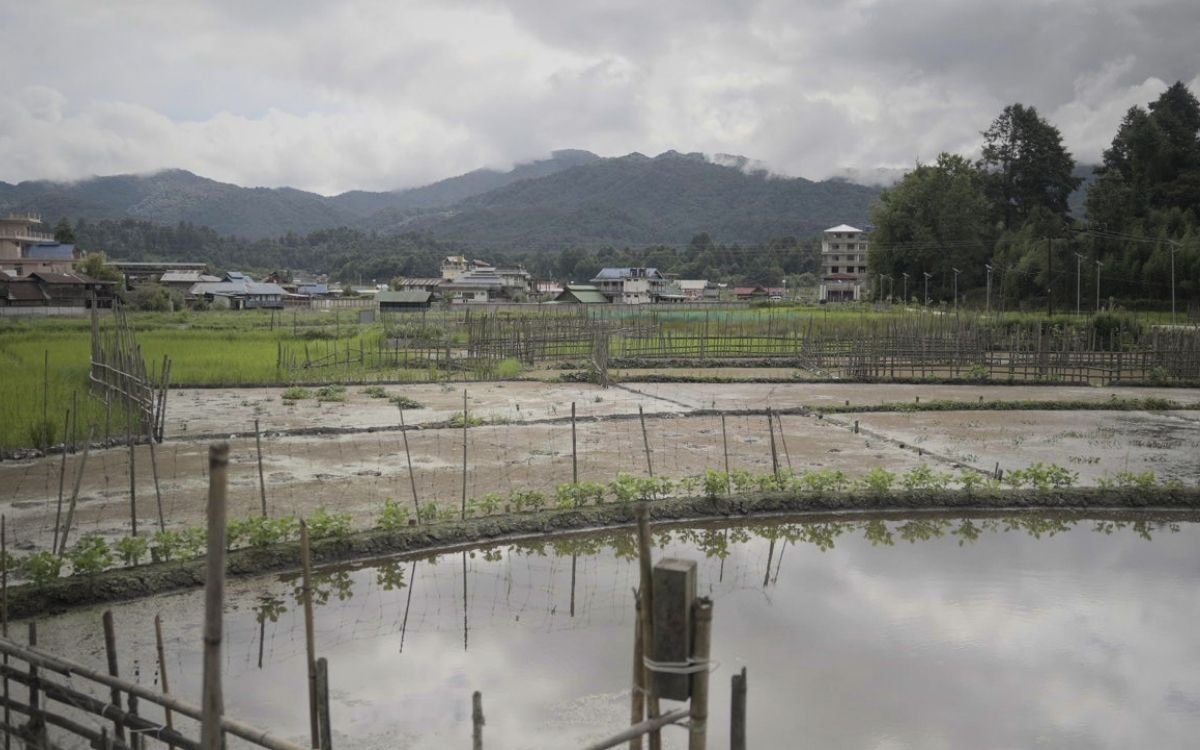
The Apatani farming system is often considered one of the most sustainable agricultural practices in the Himalayan region. Without relying heavily on modern machinery, the community has managed to maintain productive farmlands through traditional knowledge and careful water management.
The paddy-cum-fish cultivation system not only provides rice but also fish, making efficient use of available resources. This method has earned recognition from environmentalists and agricultural researchers across the world.

The Story Behind the Traditional Facial Tattoos
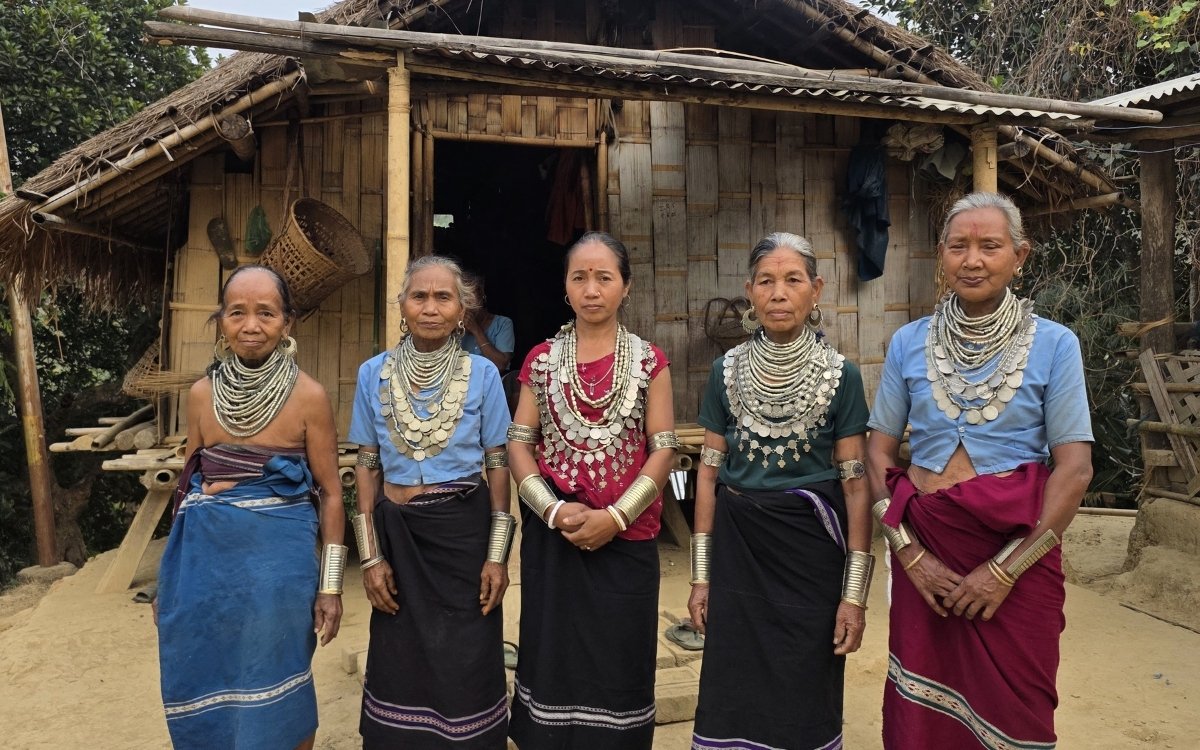
One of the most recognizable aspects of Apatani culture was the traditional facial tattoos and large nose plugs worn by older Apatani women.
According to local stories passed down through generations, these practices were introduced to protect Apatani women from being taken away by neighboring tribes because of their beauty. While the practice ended decades ago, elderly women bearing these tattoos remain living symbols of the community's history and identity.
Today, these distinctive features have become an important part of the Apatani story and attract visitors interested in understanding the tribe's cultural heritage.

Festivals That Bring the Community Together
Festivals play an important role in Apatani life. Among them, the Myoko Festival is one of the most significant. Celebrated to strengthen social bonds and pray for prosperity, the festival brings families and villages together through rituals, feasts, and traditional ceremonies.
Another important celebration is Dree Festival, observed during the agricultural season. The festival is associated with prayers for a good harvest, protection of crops, and community well-being.
For travelers, these festivals provide a wonderful opportunity to experience Apatani culture firsthand.

Life in an Apatani Village
Visiting an Apatani village is less about sightseeing and more about slowing down and observing everyday life. Early mornings begin with activity in the fields, while evenings often see families gathering around traditional homes.
The villages are clean, organized, and closely connected to the surrounding landscape. Bamboo structures, wooden homes, and community spaces reflect a lifestyle that values simplicity and harmony with nature.
What many visitors remember most is the warmth of the people. Conversations with local residents often reveal stories of changing times, cultural preservation, and a deep attachment to the valley they call home.
Why the Apatani Culture Matters
In a rapidly changing world, the Apatani community offers an important lesson in sustainable living and cultural preservation. Their agricultural practices, community traditions, and respect for nature continue to inspire researchers and travelers alike.
The tribe's ability to balance modernization with tradition is one of the reasons why Ziro Valley remains one of the most culturally significant destinations in Northeast India.
For anyone exploring Arunachal Pradesh, understanding the Apatani tribe is essential to understanding the soul of Ziro Valley. Beyond the scenic landscapes lies a community whose traditions, knowledge, and way of life have shaped the valley for centuries.
Whether it is the vast green paddy fields, the stories behind the facial tattoos, the vibrant festivals, or the simple rhythm of village life, the Apatani experience leaves a lasting impression. It is not just a visit to a destination—it is an opportunity to witness a culture that continues to thrive while staying connected to its roots.